
Ever felt like you were navigating a maze without a map when trying to source custom watches from Asia? The immense scale of the China watch supply chain1 can be daunting, with different regions offering vastly different levels of quality and expertise. Choosing the wrong manufacturing hub can lead to production delays, quality control nightmares, and a final product that falls short of your brand’s promise, ultimately damaging your reputation with customers. The key isn't just finding a supplier; it's finding the right supplier in the right ecosystem.
The China watch supply chain is primarily concentrated in Guangdong province, with distinct specializations. Shenzhen is the undisputed center for mid-to-high-end watch manufacturing2, focusing on quality components and export-oriented brands. In contrast, Guangzhou and the neighboring Fujian province cater to the lower-end, high-volume market3 with a focus on cost-effective and promotional-grade timepieces.
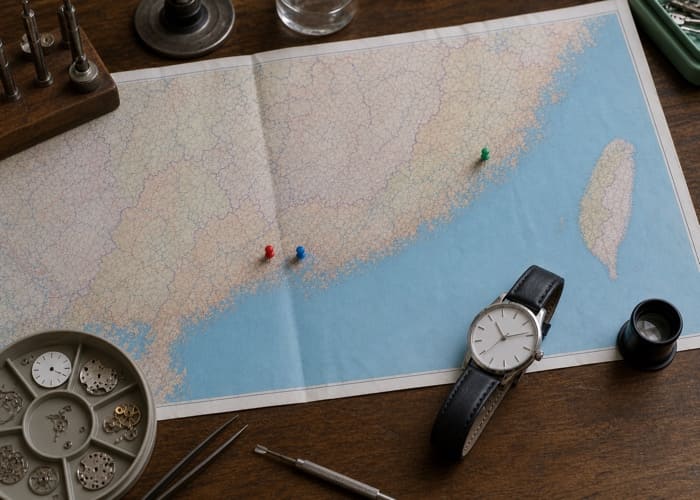
This geographical specialization is the most critical factor for any brand owner or product manager to understand. But knowing where to go is only the beginning. To truly leverage this powerful manufacturing engine, you need to understand the unique capabilities, component networks, and quality standards of each region. Let's explore the landscape in more detail.
Why is Shenzhen the Hub of the Premium China Watch Supply Chain?
You're aiming to launch a watch collection that speaks to quality, עֲמִידוּת, and refined design. The problem is ensuring your manufacturing partner has access to the right materials, technology, and skills. How can you be certain you're sourcing from an environment built for premium production and not a low-cost, high-volume market?
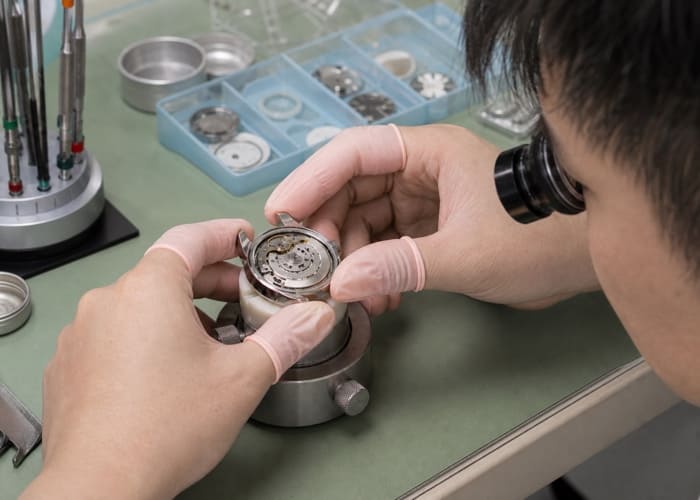
The answer lies in Shenzhen's unique industrial ecosystem. It has become the core of the premium China watch supply chain because of its concentration of skilled technicians, advanced manufacturing facilities, and a robust network of suppliers providing high-quality movements, מקרים, and crystals for the international market.
לצלול עמוק יותר: היתרון של שנזן
במשך מעל 15 שנים, I've operated my business, שעון אוהללה, from Shenzhen, and I've witnessed its evolution firsthand. This city isn't just another manufacturing town; it's a carefully cultivated hub for precision engineering, particularly for brands targeting European and American consumers.
H3: A Foundation of Technology and Talent
Shenzhen's status as China's first Special Economic Zone attracted significant investment in technology and infrastructure. This created a deep pool of engineering talent and skilled labor familiar with international quality standards. For the watch industry, this translates to:
- Precision Assembly: Technicians are experienced in handling delicate Japanese and Swiss movements.
- Advanced Finishing: Factories possess the equipment for high-quality case polishing, הַברָשָׁה, and PVD plating.
- Clean Environments: Professional facilities understand the importance of dust-free assembly rooms to prevent microscopic flaws on dials and inside movements.
H3: The Premier Component Ecosystem
A finished watch is only as good as its individual parts. Shenzhen’s strength lies in its proximity to top-tier component suppliers4. Within a short distance, we can source materials that meet the expectations of discerning brands.
| רְכִיב | Typical Shenzhen Specification | Common Alternative in other regions |
|---|---|---|
| חומר מארז | 316L נירוסטה | Zinc Alloy, פְּלִיז |
| גָבִישׁ | קריסטל ספיר, זכוכית מינרלית מוקשה | Standard Mineral or Acrylic Glass |
| תנועות | יַפָּנִית (מיוטה, סייקו) & Swiss (רונדה, סליטה) | Basic Chinese Quartz Movements |
| רצועות | Genuine Leather, High-Grade Nylon, 316L Steel Mesh | PU Leather, Basic Alloy Bracelets |
This access is a game-changer. When a client requests a chronograph with a Seiko VK64 meca-quartz movement and a sapphire crystal, we don't have to look far. The suppliers are here, their quality is verified, and they understand the demands of export markets.
H3: Geared for OEM/ODM and International Brands
Factories in Shenzhen are structured to serve businesses like yours. We specialize in OEM (יצרן ציוד מקורי) and ODM (יצרן עיצוב מקורי) projects, meaning we are set up for collaboration from concept to mass production. זה כולל:
- Defined MOQs: Our typical minimum order quantity of 300–500 units per model is designed to support small to medium-sized brands.
- הַתאָמָה: We manufacture in accordance with CE and RoHS standards required for EU markets.
- Clear Processes: The standard development process (Design → 2D Drawing Confirmation → Sampling → Mass Production) ensures you have approval at every critical stage.
Simply put, Shenzhen is where brands come to build their reputation.
What Role Do Guangzhou and Fujian Play in the China Watch Supply Chain?
Perhaps you've been approached with incredibly low price quotes from suppliers in Guangzhou or Fujian. The cost is tempting, especially for a new brand trying to manage its budget. But this immediately raises questions about what compromises are being made on materials, quality, and long-term durability.
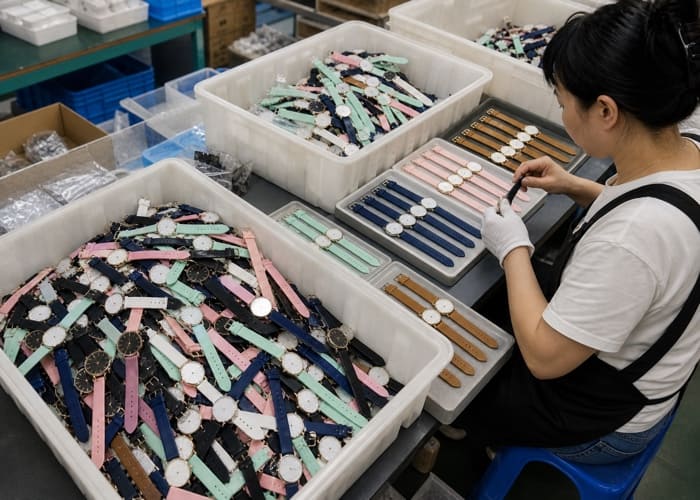
Guangzhou and, to a lesser extent, Fujian province, are major players in the China watch supply chain, but they primarily serve the mass-market and promotional products sector. Their focus is on producing watches at the lowest possible cost, which necessitates the use of more basic materials and high-volume production methods.
לצלול עמוק יותר: The Volume-Over-Value Equation
While Shenzhen focuses on building brand value, Guangzhou's watch market is driven by volume. It's home to the Guangzhou Watch Market, a massive wholesale hub where you can find countless stalls selling low-cost watches and components. This ecosystem is optimized for a different business model.
H3: The World of Promotional and Fast-Fashion Watches
The primary output from this region includes:
- Promotional Items: Watches given away as part of a marketing campaign, where cost is the only significant factor.
- Entry-Level Fashion: Timepieces designed to follow fleeting trends, with a short expected lifespan.
- Budget Retail: Very low-priced watches sold in discount stores or online marketplaces where price competition is fierce.
To achieve these low prices, significant compromises are made. I've often consulted with brand owners who initially sourced from this region, drawn by a per-unit cost under $10. They quickly discovered that the alloy cases would tarnish, the plating would wear off in months, and the movements had a high failure rate. While perfect for a one-time promotional event, this level of quality is detrimental to building a lasting watch brand.
H3: Material and Production Differences
The contrast with Shenzhen's capabilities is stark. Production in Guangzhou and Fujian typically involves:
- Alloy Cases: Instead of solid 316L stainless steel, cases are often made from a zinc alloy, which is cheaper and easier to mold but is less durable, heavier, and can cause skin irritation.
- Basic Plating: The color finishing (לְמָשָׁל, gold or rose gold) is often a thin layer of plating that can quickly rub off with daily wear.
- Chinese Domestic Movements: To keep costs down, the movements used are typically the most basic quartz options available, which may lack the reliability and longevity of Japanese or Swiss counterparts.
- Less Stringent QC: In a high-volume environment, the focus is on output speed, not meticulous quality control. Issues like dust under the crystal, misaligned hands, or failed water resistance are far more common.
Choosing between Shenzhen and Guangzhou isn't about which is "better"—it's about aligning the manufacturing hub with your brand's specific goals. For quality and brand reputation, Shenzhen is the logical choice. For sheer volume at the lowest price, Guangzhou has a role to play.
How Should You Manage Quality Control Within the China Watch Supply Chain?
You've selected a factory in the right region and finalized your design. Is it time to sit back and wait for your shipment? ממש לא. A great design and a capable factory are still just inputs. Without a rigorous quality control process, you risk receiving a batch of watches with unacceptable defects, leading to customer returns and financial loss.
Effective quality control is a continuous, multi-stage process that must be integrated throughout the production cycle. A reliable partner in the China watch supply chain won't just perform a final check; they will implement checks from the moment components arrive until the finished products are packed for shipment.

לצלול עמוק יותר: A Multi-Stage QC Framework
ב-Ohlala Watch, we treat quality control not as a single event, but as a core part of our manufacturing philosophy. A brand's reputation is built on consistency, and consistency is achieved through systematic verification. Here is the framework we use, which you should expect from any serious manufacturing partner.
H3: 1. בקרת איכות נכנסת (מְנַת הַמִשׂכָּל)
This is the first and one of the most crucial steps. Before a single watch is assembled, every component must be inspected. A defect caught here saves immense time and money.
- תנועות: A sample from each batch is tested for accuracy and power reserve.
- מקרים: Checked for correct dimensions, finishing consistency, and potential scratches or dents from shipping.
- חוגות & ידיים: Inspected under magnification for dust, printing errors, and correct lume application.
- רצועות & צמידים: Verified for material quality, stitching integrity, and clasp function. If a batch of components fails IQC, it's rejected and sent back to the sub-supplier. This prevents systemic issues from ever entering the assembly line.
H3: 2. בקרת איכות בתהליך (IPQC)
Quality checks must also happen during הַרכָּבָה. Our line supervisors and dedicated QC staff monitor the process at critical points:
- חוּגָה & Hand Setting: After hands are mounted, each watch is checked for alignment and clearance to prevent them from touching each other or the crystal.
- Casing: Technicians ensure the movement is securely placed in the case and that the caseback seal is properly seated before closing. This is vital for water resistance.
- כֶּתֶר & Stem Assembly: The function of the crown (לְמָשָׁל, time-setting, date change) is tested.
H3: 3. Final Quality Assurance (FQA)
Once a watch is fully assembled, it undergoes a final battery of tests before it can be considered complete. This is the comprehensive check that validates all previous steps.
- Water Resistance Test: Every watch is tested to its specified depth rating (לְמָשָׁל, 5 כַּספּוֹמָט, 10 כַּספּוֹמָט) using both air pressure and water pressure machines.
- Timekeeping Test: Watches are left to run for at least 24-48 hours to check for any significant time loss or gain.
- Cosmetic Inspection: A final visual check under bright light to catch any fingerprints, dust, or microscopic scratches acquired during assembly.
- Functional Test: For chronographs or other complications, every function is tested to ensure it operates correctly.
This multi-stage approach is non-negotiable for any brand that values its reputation. When evaluating partners within the China watch supply chain, always ask for details about their QC process. If they only mention a "final check," it's a major red flag.
שאלות נפוצות
What is the typical MOQ for custom watches in Shenzhen?
For a quality-focused OEM manufacturer like us in Shenzhen, כמות ההזמנה המינימלית (MOQ) הוא בדרך כלל בין 300 ו 500 חתיכות לכל דגם. This quantity allows for efficient sourcing of high-quality components and helps us dedicate a production line to ensure consistency for your brand.
How long does it take to develop a new watch with a Chinese manufacturer?
The development timeline has two main phases. The sampling stage, which includes creating 2D drawings for your approval and producing physical prototypes, usually takes between 30 ו 90 ימים. Once you approve the sample, mass production typically takes another 45 to 60 days to complete.
Can I use Swiss movements in watches made in China?
Absolutely. Reputable manufacturers in Shenzhen regularly work with and source authentic Swiss movements from brands like Ronda, סליטה, and ETA. This is a very common request for microbrands and premium fashion brands looking to combine Swiss reliability with the manufacturing advantages of the China watch supply chain.
Are watches from China compliant with EU and US regulations?
כֵּן, but it depends on the manufacturer. Established factories in Shenzhen that cater to international markets, like Ohlala Watch, produce watches that comply with key regulations such as CE (for Europe) and RoHS (restriction of hazardous substances). It is critical that you, the buyer, request and verify these certifications from your supplier.
מַסְקָנָה
Navigating the vast and complex China watch supply chain is the foundational challenge for any new or growing watch brand. As we've seen, the industry is not monolithic; it is highly specialized by region. Shenzhen stands as the premier hub for mid-to-high-end watchmaking, offering a rich ecosystem of quality components, skilled labor, and internationally-focused OEM/ODM partners. In contrast, Guangzhou and Fujian serve the high-volume, low-cost market. Making the right choice between them is critical for your brand's identity and long-term success. A robust, multi-stage quality control plan is the final piece of the puzzle, ensuring your design vision is executed flawlessly.
If you're looking for a reliable partner to help you build a high-quality watch collection, our team at Ohlala Watch is here to guide you. עם מעל 15 years of experience in Shenzhen, we understand the nuances of this industry.
Ready to start your project? Contact us today at debbie.p@ohlalawatch.com או בקר אצלנו דף יצירת קשר to discuss your watch concept.
"Clock and Watch Manufacturing in China Market Size Statistics for 2026", https://www.ibisworld.com/china/market-size/clock-and-watch-manufacturing/680/. Research indicates that the China watch supply chain is extensive and multifaceted, involving numerous regions and specializations. תפקיד ראיה: כללי_תמיכה; סוג מקור: מֶחקָר. תומך: The source should provide insights into the scale and complexity of the China watch supply chain.. הערת היקף: The support may not provide specific examples of challenges faced by brands within this supply chain. ↩
"China is the world's largest watch manufacturing hub, with Shenzhen ...", https://www.facebook.com/iSourcingAgent/videos/china-is-the-worlds-largest-watch-manufacturing-hub-with-shenzhen-and-guangzhou-/1942410196453958/. Studies show that Shenzhen is recognized as a leading hub for mid-to-high-end watch production due to its skilled labor and advanced facilities. תפקיד ראיה: כללי_תמיכה; סוג מקור: מוֹסָד. תומך: The source should confirm Shenzhen's prominence in mid-to-high-end watch manufacturing.. הערת היקף: The source may focus on economic aspects without detailing specific manufacturing capabilities. ↩
"FH - Watch industry statistics", https://www.fhs.swiss/eng/statistics.html. Research indicates that Guangzhou and Fujian are primarily focused on producing lower-end, high-volume watches for mass markets. תפקיד ראיה: כללי_תמיכה; סוג מקור: נְיָר. תומך: The source should provide evidence of the types of products produced in Guangzhou and Fujian.. הערת היקף: The support may not address the quality differences between products from these regions and those from Shenzhen. ↩
"Inside the world's “watchmaking factory”", https://www.europastar.com/the-watch-files/watchmaking-in-china/1004089713-inside-the-world-s-watchmaking-factory.html. Industry reports highlight Shenzhen's advantageous location near high-quality component suppliers, enhancing its manufacturing capabilities. תפקיד ראיה: כללי_תמיכה; סוג מקור: מוֹסָד. תומך: The source should confirm the presence and quality of component suppliers in Shenzhen.. הערת היקף: The source may not provide a comprehensive list of suppliers or their specific contributions to the watch industry. ↩