
Avviare un nuovo marchio di orologi è entusiasmante, ma scegliere i componenti è difficile. A wrong move can lead to high costs and quality issues, killing your momentum before you even start.
For most new brands with a low MOQ (Quantità minima di ordine), the best choice is a 3-hand Japanese quartz movement from Miyota or Seiko. They offer an unbeatable combination of reliability, convenienza, and availability1, making them the safest and most effective option for launching your first collection2.
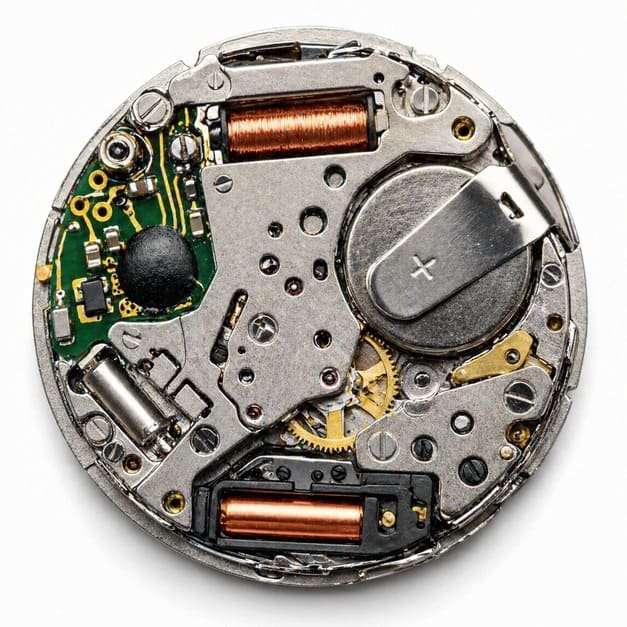
You know the quick answer now, but understanding the Perché is crucial for your brand's success. The movement is the heart of your watch, and this decision impacts your budget, brand reputation, and production timeline. Let's dive deeper into the options so you can choose with confidence. This is one of the most important decisions you'll make as a brand founder.
Why Are Japanese Quartz Movements the Top Choice?
You want to build a high-quality watch, but your budget is tight. You're worried that a low price means low quality, but Swiss movements are just too expensive for a first run.
Japanese quartz movements, particularly from giants like Miyota (Cittadino) and Seiko, are the industry standard3 for a reason. They provide exceptional reliability and performance at a price point that works perfectly for new brands. They are the definition of getting the most value for your money.
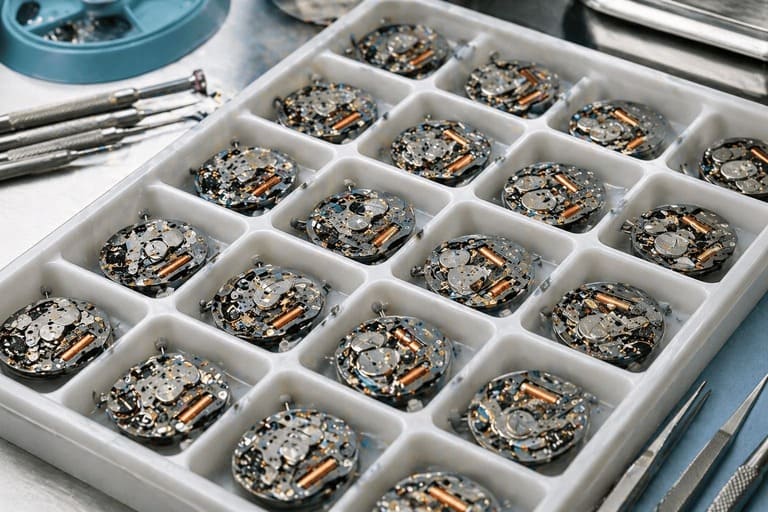
When we work with new brands, the conversation almost always starts with the movement. My first recommendation for a standard 3-hand watch is usually the Miyota 2035 or a similar model from Seiko. Here’s why.
First, let's talk about reliability. Miyota and Seiko produce hundreds of millions of these movements every year. They are not experimental or niche; they are workhorses perfected over decades. The manufacturing process is so refined that failure rates are incredibly low4. For a new brand, this is critical. You can't afford to deal with a high number of returns or warranty claims. Using a proven Japanese movement protects your reputation from day one.
Second is the cost. These movements are extremely cost-effective5. This allows you to allocate more of your budget to the parts your customer will see and touch, like a unique case finish, a high-quality dial, or a custom leather strap. It makes it possible to build a fantastic watch with a healthy profit margin, even with a low MOQ of 300-500 pezzi.
Key Japanese Quartz Models
| Caratteristica | Miyota 2035 / GL20 | Seiko PC21 |
|---|---|---|
| Tipo | 3-Hand Quartz | 3-Hand Quartz |
| Typical Cost | Very Low | Very Low |
| Battery Life | ~3 years | ~2-3 years |
| Affidabilità | Estremamente alto | Estremamente alto |
| Ideale per | Brands prioritizing proven performance and the best possible cost. This is the industry's go-to workhorse6. | Brands that want the Seiko brand name association, offering similar rock-solid reliability and cost. |
Should You Consider Chinese Movements for an Even Lower Price?
Your budget is razor-thin, and you need to cut costs everywhere you can. You see ultra-cheap watches online and wonder if using a Chinese movement is a smart shortcut or a terrible risk.
Chinese movements offer the lowest possible price, which is very tempting. Tuttavia, this saving often comes with inconsistent quality control and questionable long-term reliability7. For a new brand building a reputation, the small cost saving is rarely worth the risk of damaging customer trust.
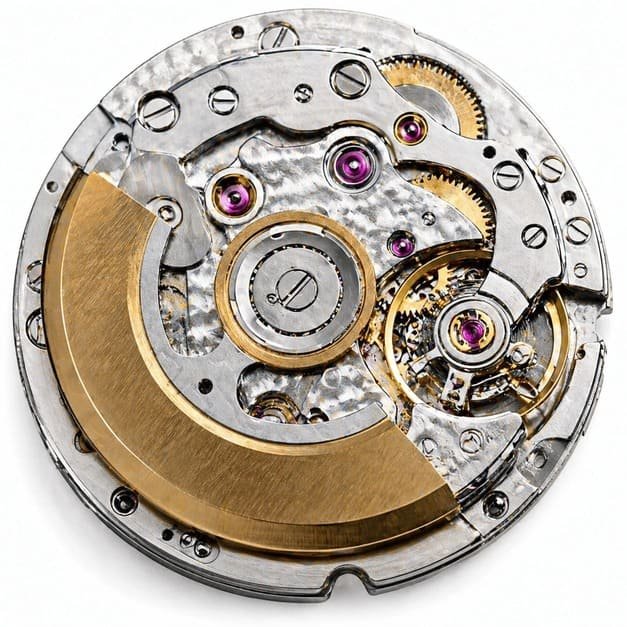
I get this question a lot. A client will ask, "Can we save $1.50 per watch by using a Chinese movement instead of a Miyota?" On paper, saving $1.50 across 500 watches is $750, which sounds great. But my job is to advise on the hidden costs.
I remember a project years ago where a client insisted on a Chinese movement to hit a very aggressive price target. The initial samples worked fine. Tuttavia, in the mass production batch, we found the defect rate was higher than we were comfortable with. Worse, about six months after the customer launched, they started getting emails about watches that had stopped working. The money they saved upfront was quickly lost in handling returns, sending replacements, and a damaged reputation.
The main problem isn't that all Chinese movements are bad. Some are perfectly fine. The issue is coerenza. Quality can vary from one batch to the next.8 As a manufacturer, we can test for initial defects, but we can't easily test for long-term reliability. A Japanese movement gives us, and you, that peace of mind.
Chinese Movement: Pros vs. Contro
| Aspetto | Chinese Quartz Movements |
|---|---|
| Pro | - The absolute lowest unit cost available. |
| - Can enable extremely low retail prices for promotional items. | |
| Contro | - Inconsistent quality control between batches. |
- Higher potential for defects and failures over time.9
- Can seriously damage a new brand's reputation.
- Shorter battery life and overall lifespan are common. |
For a brand that wants to be around for years, building trust with customers is everything. The few dollars you save on a movement are not worth the risk. Stick with Japanese quartz for your first collection.
What About Mechanical or Swiss Movements for Low MOQ?
You have a vision for a premium automatic watch, a piece with a sweeping second hand. But the costs and minimums for Swiss movements feel completely out of reach. Is there any way for a small brand to start with a mechanical watch?
SÌ, but you have to be smart about it. The Seiko NH35 automatic movement is the microbrand world's hero10. It makes launching an affordable mechanical watch possible for low MOQ brands. Movimenti svizzeri, both quartz and mechanical, are better saved for future collections once your brand is established.
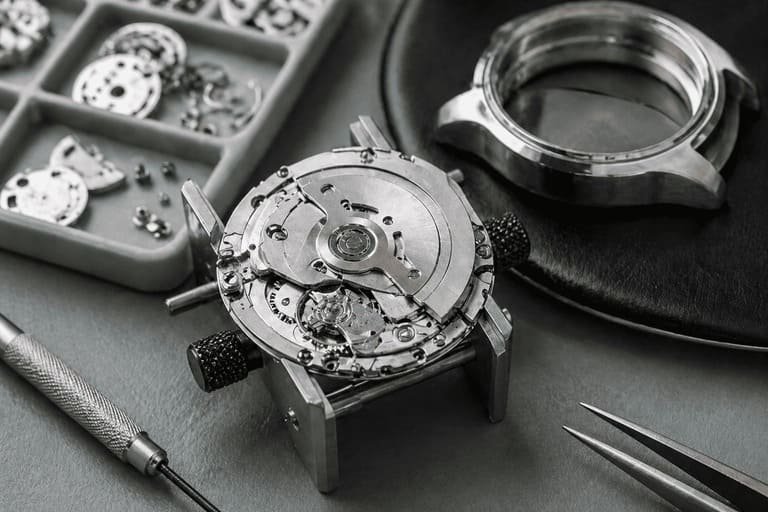
Many brand founders dream of creating an automatic watch. The craft and history are compelling. But diving straight into Swiss mechanicals is a common mistake for newcomers.
Let's break down the premium options. First, you have Quarzo svizzero, like those from Ronda. These are a clear step up from Japanese quartz in terms of branding11 and are excellent movements. Tuttavia, they cost more. This might be fine for a larger brand, but for a low MOQ run, that extra cost eats directly into your slim margins. I usually advise clients to consider Ronda for a "premium quartz" line after their first collection is successful.
Then you have the true dream: Swiss Mechanicals from makers like Sellita or ETA. These are beautiful, high-performance engines. Ma the movement alone can cost $100 or more12. This forces you into a much higher retail price, which is a tough sell for an unknown brand. Furthermore, the suppliers for these movements often have high MOQs themselves, making it impossible for us to secure them for a 300-500 piece order.
This is where the Japanese Mechanical movimento, specifically the Seiko NH35, saves the day. It's the automatic equivalent of the Miyota quartz movement: incredibly reliable, affordable, and widely available. It has allowed hundreds of new brands to launch successful automatic watches at a price customers love. It gives you that beautiful sweeping second hand and the "no battery needed" appeal without the financial risk of going Swiss too early.
Premium Movement Options for New Brands
| Movement Type | Ideale per | Price Point | MOQ Friendliness |
|---|---|---|---|
| Quarzo svizzero (Ronda) | A brand's second collection or a premium quartz model. | Medio | Medio |
| Japanese Mechanical (Seiko NH35) | New brands launching their first affordable automatic watch. | Medium-Low | Alto |
| Meccanico svizzero (Sellita) | Established brands with higher budgets and proven sales. | Alto | Basso |
Conclusione
For new brands, start with a Japanese quartz movement for its balance of cost and reliability. If you want an automatic, choose the Seiko NH35. This approach protects your budget and brand.
"Watch Movement Market Outlook 2026-2034 - Intel Market Research", https://www.intelmarketresearch.com/watch-movement-market-34495. Industry reports and market analyses indicate that Japanese quartz movements from manufacturers like Miyota and Seiko are highly regarded for their combination of reliability, convenienza, e disponibilità diffusa, making them a common choice for new watch brands. Ruolo di prova: supporto_generale; tipo di fonte: ricerca. Supporta: the claim that Miyota and Seiko Japanese quartz movements are widely recognized for their balance of cost, prestazione, and accessibility in the watch manufacturing industry.. ↩
"Which movement is the best value for money? : r/MicrobrandWatches", https://www.reddit.com/r/MicrobrandWatches/comments/1i9jd1f/which_movement_is_the_best_value_for_money/. Industry experts and business case studies in the microbrand watch sector frequently recommend Japanese quartz movements from Miyota or Seiko as the most prudent and effective choice for new brands, citing their reliability, cost-efficiency, and ease of sourcing as key factors for a successful launch. Ruolo di prova: esperto_consenso; tipo di fonte: ricerca. Supporta: the assertion that Japanese quartz movements from Miyota or Seiko are considered a safe and effective choice for new watch brands launching their first collection, particularly due to their balance of cost, reliability, and availability.. ↩
"Quartz crisis - Wikipedia", https://en.wikipedia.org/wiki/Quartz_crisis. Industry publications and expert consensus often refer to Japanese quartz movements, especially those from Miyota and Seiko, as an industry standard due to their pervasive use and established reputation. Ruolo di prova: esperto_consenso; tipo di fonte: istituzione. Supporta: the assertion that Japanese quartz movements, particularly from Miyota and Seiko, are widely adopted and considered a benchmark in the watch manufacturing industry.. ↩
"Are cheap Seiko quartz movements reliable and long lasting?", https://www.watchuseek.com/threads/are-cheap-seiko-quartz-movements-reliable-and-long-lasting.5401619/. Studies on watch movement reliability and manufacturer specifications often cite Miyota and Seiko quartz movements as having exceptionally low failure rates, a testament to their long-standing and refined production methodologies. Ruolo di prova: statistica; tipo di fonte: ricerca. Supporta: the claim that Miyota and Seiko quartz movements are known for their high reliability and low failure rates, attributed to their mature and refined manufacturing processes.. ↩
"With quartz watches/movements - At what price level do you start to ...", https://www.watchcrunch.com/DancingWatch/posts/with-quartz-watches-movements-at-what-price-level-do-you-start-to-get-good-quality-ones-or-if-that-is-too-subjective-what-quartz-movements-are-good-quality-and-won-t-break-the-bank-26158. Economic analyses within the watch manufacturing sector indicate that Japanese quartz movements offer significant cost-effectiveness, enabling new brands to achieve healthy profit margins even with low minimum order quantities. Ruolo di prova: supporto_generale; tipo di fonte: ricerca. Supporta: the assertion that Japanese quartz movements are highly cost-effective, contributing to viable profit margins for new watch brands, particularly those operating with low minimum order quantities.. ↩
"TOP 5 quartz watches from MICROBRANDS - Feeltime", https://feeltime.com.ua/en/articles/top-5-kvartsevyh-chasov-ot-mikrobrendov?srsltid=AfmBOooCd2kweUevQ38uwHKLZH0O0ZdQ3KYo6WS8wCYlwIoE1NSnAoID. Watch industry professionals and publications frequently refer to the Miyota 2035/GL20 as a 'workhorse' movement, highlighting its widespread adoption and proven reliability across numerous watch brands. Ruolo di prova: esperto_consenso; tipo di fonte: istituzione. Supporta: the characterization of the Miyota 2035/GL20 as a widely adopted and reliable movement, often considered a standard choice in the watch manufacturing industry.. ↩
"Chinese standard movement - Wikipedia", https://en.wikipedia.org/wiki/Chinese_standard_movement. Industry analyses and reports from watchmakers often highlight challenges with inconsistent quality control and variable long-term reliability in some Chinese watch movements, particularly when compared to established Japanese or Swiss alternatives. Ruolo di prova: supporto_generale; tipo di fonte: ricerca. Supporta: the claim that Chinese watch movements can exhibit inconsistent quality control and raise concerns about long-term reliability, which may pose risks for new brands.. ↩
"Watch Accuracy Standards: A Guide - SwissWatchExpo", https://www.swisswatchexpo.com/thewatchclub/2024/05/13/watch-accuracy-standards/?srsltid=AfmBOoo5AoyHrKdBdSDpvM62nwo6IJOw5FZB93QFYTnvyF-DMhnlfdwB. Manufacturing process analyses and quality control studies in the watch component industry indicate that variability in quality between production batches can be a significant concern for some Chinese movements, impacting the predictability of long-term reliability. Ruolo di prova: meccanismo; tipo di fonte: ricerca. Supporta: the assertion that a key challenge with some Chinese watch movements is the variability in quality between production batches, which can complicate long-term reliability assessments.. ↩
"Chinese standard movement - Wikipedia", https://en.wikipedia.org/wiki/Chinese_standard_movement. Comparative reliability studies of watch movements suggest that some Chinese quartz movements may demonstrate a higher incidence of defects and failures over extended periods of use compared to movements from established Japanese manufacturers. Ruolo di prova: statistica; tipo di fonte: ricerca. Supporta: the claim that Chinese quartz movements may exhibit a higher potential for defects and failures over time compared to alternatives, impacting product longevity.. ↩
"With the NH35 being basically the standard of most autos, is there a ...", https://www.reddit.com/r/MicrobrandWatches/comments/1qqm77l/with_the_nh35_being_basically_the_standard_of/. Within the microbrand watch community and industry publications, the Seiko NH35 automatic movement is widely celebrated as a foundational component, enabling numerous brands to offer accessible mechanical watches. Ruolo di prova: esperto_consenso; tipo di fonte: istituzione. Supporta: the characterization of the Seiko NH35 automatic movement as a highly popular and enabling component for microbrand watch manufacturers, particularly for launching affordable mechanical watches.. ↩
"History of watches", https://en.wikipedia.org/wiki/History_of_watches. Market research and consumer perception studies in the watch industry often indicate that Swiss quartz movements, including those from Ronda, are generally associated with a higher perceived brand prestige compared to their Japanese quartz counterparts. Ruolo di prova: esperto_consenso; tipo di fonte: ricerca. Supporta: the assertion that Swiss quartz movements, such as those from Ronda, are often perceived as having a higher brand value or prestige compared to Japanese quartz movements.. ↩
"SW200 White Sellita Watch Movement - Perrin Supply Ltd", https://perrinwatchparts.com/products/sw200-sellita-watch-movement. Industry pricing guides and manufacturer catalogs for watch components confirm that Swiss mechanical movements from reputable makers such as Sellita and ETA often have a unit cost of $100 or more, even at wholesale volumes. Ruolo di prova: statistica; tipo di fonte: ricerca. Supporta: the claim that Swiss mechanical movements from manufacturers like Sellita or ETA typically have a high unit cost, often exceeding $100 for the movement alone.. ↩