Struggling to find a bulk supplier for luxury watches? The search is frustrating because the luxury market doesn't operate on a typical wholesale model. It's a closed system.
There is no single "number one" luxury watch wholesaler. High-end brands like Rolex or Patek Philippe distribute exclusively through a network of Authorized Dealers (ADs). This model protects brand value and scarcity, making open wholesaling non-existent for new, authentic luxury timepieces.
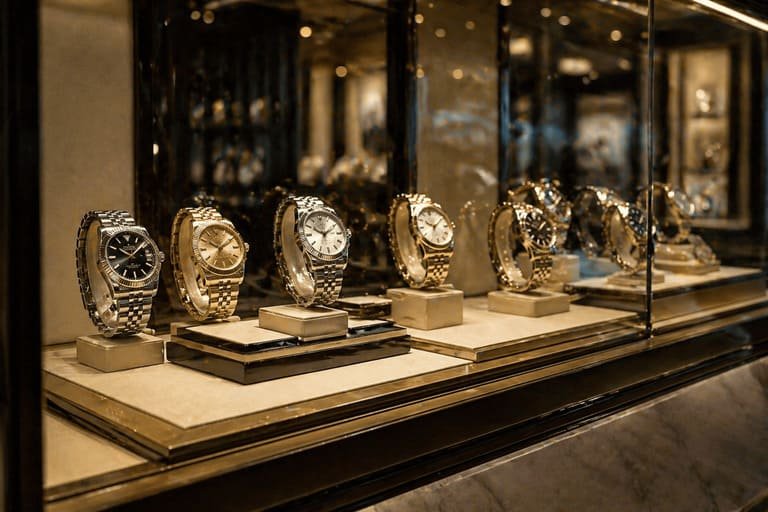
You might be wondering why you can't just buy these watches in bulk like other products. The entire luxury industry is built on a different foundation than mass-market goods. It’s a world of controlled supply, carefully managed image, and long-term relationships. Understanding this is the first step to navigating the watch market. Let's dive into how this system actually works and what your alternatives are.
How do luxury brands actually distribute their watches?
You want to sell prestigious watches, but keep hitting dead ends. The problem isn't your sourcing skills; it's that luxury brands have built a fortress around their distribution.
To maintain exclusivity and high prices, luxury watchmakers use an Authorized Dealer (AD) system. They hand-pick retailers who meet strict criteria for store location, brand presentation, and customer service. This gives them total control over who sells their watches and at what price.
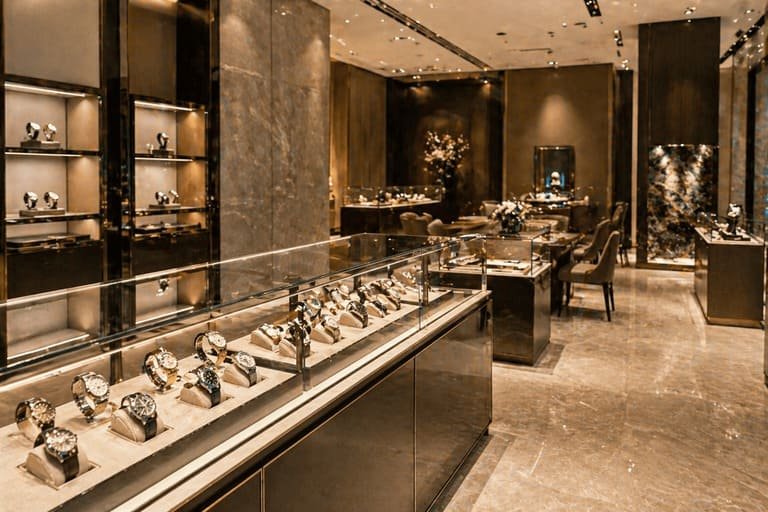
The AD model is the backbone of the luxury watch industry. I remember visiting a potential client in Geneva who wanted to start a multi-brand luxury store. He thought he could just place a large order with several top brands. He was shocked to learn that it can take years of relationship-building just to be considered as an AD, and even then, you have no say in which models you receive. This system is designed to protect the brand's legacy, not to facilitate easy wholesale access. It ensures that when a customer buys a luxury watch, they are also buying into a premium experience that can't be replicated by a simple online wholesaler.
The Authorized Dealer (AD) vs. Wholesale Model
The core difference lies in control. Luxury brands want to manage every aspect of their image, from the lighting in the display case to the knowledge of the sales staff. A wholesale model, where products are sold in bulk to any retailer, surrenders that control. That's why they opt for the AD system. It's a partnership, not just a transaction. The brand invests in the dealer, and the dealer invests in the brand.
Why This Exclusivity Matters
Exclusivity creates desire. If anyone could buy and sell Rolex watches in bulk, they would lose their status. Scarcity, both real and manufactured, is a key marketing tool. By limiting the supply and the points of sale, brands ensure that their watches remain coveted assets. This protects the value for current owners and fuels demand from future buyers. It's a long-term strategy that prioritizes brand equity over short-term sales volume.
| Feature | Authorized Dealer (Luksus) | Traditional Wholesale (Mass-Market) |
|---|---|---|
| Selection Process | Brands hand-pick retailers | Open to most qualified retailers |
| Inventory Control | Brand often dictates stock | Retailer chooses and orders stock |
| Prissætning | Strict MSRP, no discounting | Retailer sets final price |
| Brand Relationship | Long-term partnership | Transactional |
| Goal | Preserve brand image & exclusivity | Maximize sales volume & reach |
What about brands like Invicta that seem to be everywhere?
Confused why some watch brands are sold in bulk while others are not? You see brands like Invicta on Amazon, in department stores, and on TV, which feels like a wholesale model.
This is because they are. Brands like Invicta operate on a high-volume, low-margin business model. They focus on affordability, a massive variety of designs, and widespread availability. Their strategy is the opposite of luxury: they want to be seen and sold everywhere, using wholesale as a key channel.
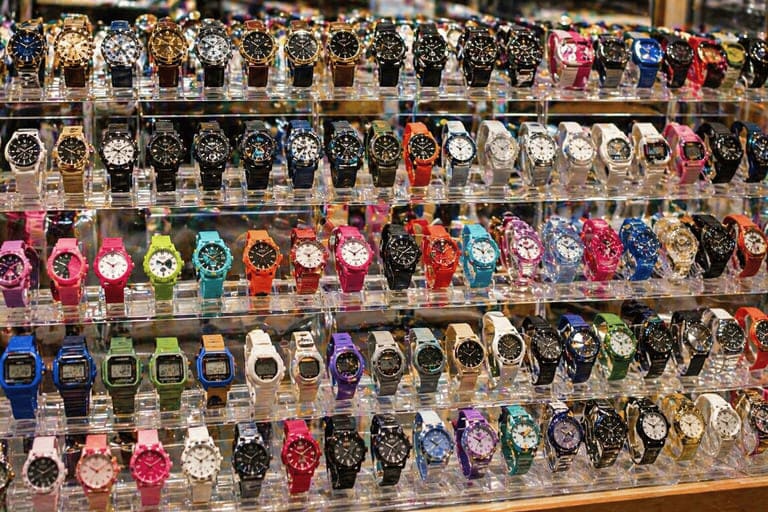
The distinction between a luxury brand's strategy and an affordable brand's strategy is night and day. I once worked with a designer who was fascinated by Invicta's business. He pointed out that they release hundreds of new models a year, often with bold, eye-catching designs and a mix of quartz and even simple automatic movements. They are masters of creating a perception of variety and value. Their success isn't built on heritage or exclusivity, but on accessibility and impulse buys. They use a classic wholesale approach, selling large quantities to distributors and major retailers who then push the product to a mass audience. This is a volume game, not an exclusivity game.
The High-Volume Wholesale Strategy
This model is all about numbers. The goal is to move as many units as possible. To do this, brands must offer attractive wholesale prices, which means keeping production costs low. They create a vast catalog with endless variations in color, stil, og funktion. This ensures that retailers always have something "new" to offer their customers. Unlike luxury brands that might release only a handful of new models a year, these companies thrive on constant product turnover.
Invicta's Business Model: A Case Study
Invicta is a perfect example of this strategy in action. They focus on what the user insight mentioned: "low-end watches, digital watches. Always has many new products, and many designs." They produce watches that look expensive but are priced for the average consumer. They leverage large-scale manufacturing in Asia to keep costs down and sell through a wide range of channels, from online marketplaces like Amazon to TV shopping networks. Their marketing emphasizes deep discounts off an often-inflated "list price," creating a sense of getting a great deal.
| Aspect | Luxury Brand (f.eks., Rolex) | Affordable Brand (f.eks., Invicta) |
|---|---|---|
| Distribution | Authorized Dealers Only | Wholesale, Retail, Online, TV |
| Production Volume | Limited and controlled | High volume, masseproduktion |
| Design Philosophy | Timeless, slow evolution | Trendy, vast variety, frequent releases |
| Marketing Focus | Heritage, håndværk, exclusivity | Discounts, variety, accessibility |
| Core Goal | Long-term brand value | High sales volume |
How can I start my own watch brand instead of wholesaling?
Tired of the limitations of sourcing other brands? Building your own watch brand puts you in complete control, but it feels like a massive, complex undertaking.
The most direct path is to partner with an OEM/ODM manufacturer. This allows you to bring your unique vision to life without building a factory. You control the design, branding, and story, while we handle the technical development, indkøb, og produktion.
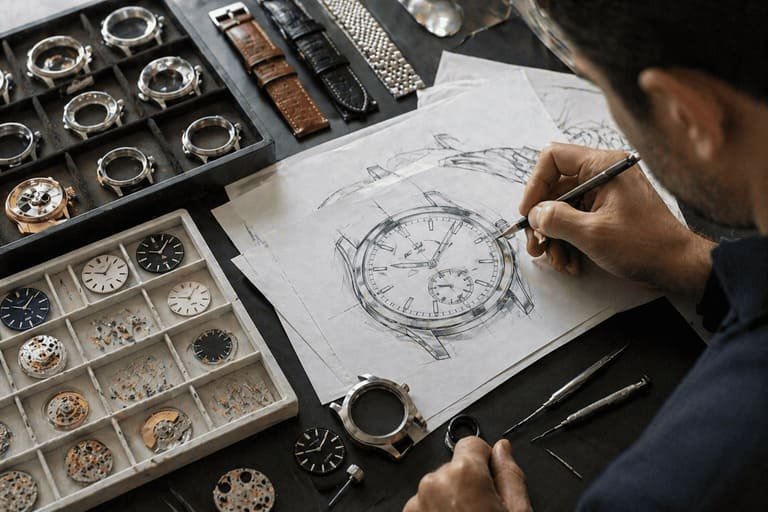
Instead of fighting for access to existing brands, you create your own. This is what we specialize in. I remember a client, a graphic designer from the US, who came to us with just a few sketches and a strong brand idea. He was frustrated with the wholesale market. We worked with him to turn his drawings into 2D technical designs, sourced the right components, and produced his first batch of 300 ure. He now runs a successful DTC brand on Shopify. This journey from idea to a market-ready product is the alternative to the frustrating search for wholesalers. It's about creation, not just resale.
The OEM/ODM Manufacturing Path
OEM (Originalt udstyrsproducent) and ODM (Original Design Manufacturer) are two ways to create your own product. With ODM, you might modify one of our existing base designs. With OEM, you bring a completely original design to us, and we build it from scratch. As a manufacturer for independent brands, we focus on making this process accessible. We offer manageable Minimum Order Quantities (MOQs), typically around 300-500 stykker, which is perfect for new brands that want to test the market without risking a huge investment.
From Your Idea to a Final Product
The process is more straightforward than you might think. It starts with your vision—a sketch, et referencebillede, or just a detailed description. Our team helps you refine that into a feasible design, considering materials, bevægelser (like Japanese Miyota or Swiss Ronda), and production techniques. Once the design is finalized, we create a prototype sample. This is a critical step where you get to see, føle, and test your watch. After you approve the sample, we move to mass production, where our quality control team oversees every stage to ensure your final watches match the quality of the prototype.
| Trin | What You Do | What We (Your OEM Partner) Do |
|---|---|---|
| 1. Concept | Provide your idea, skitser, or brand vision. | Provide feedback on design feasibility and cost. |
| 2. Design | Approve the final technical drawings. | Create 2D/3D technical designs for manufacturing. |
| 3. Prøveudtagning | Test and approve the physical prototype. | Source components and produce a sample watch. |
| 4. Produktion | Place your bulk order. | Manage mass production and quality control. |
| 5. Delivery | Receive your finished, branded watches. | Handle final inspection and ship the order. |
Konklusion
The luxury watch world is closed to wholesalers. I stedet, you can build your own unique brand by partnering with a manufacturer, giving you total control over design and destiny.